01
Tableau Cloud Consulting
Set up Tableau Cloud for secure and reliable reporting.
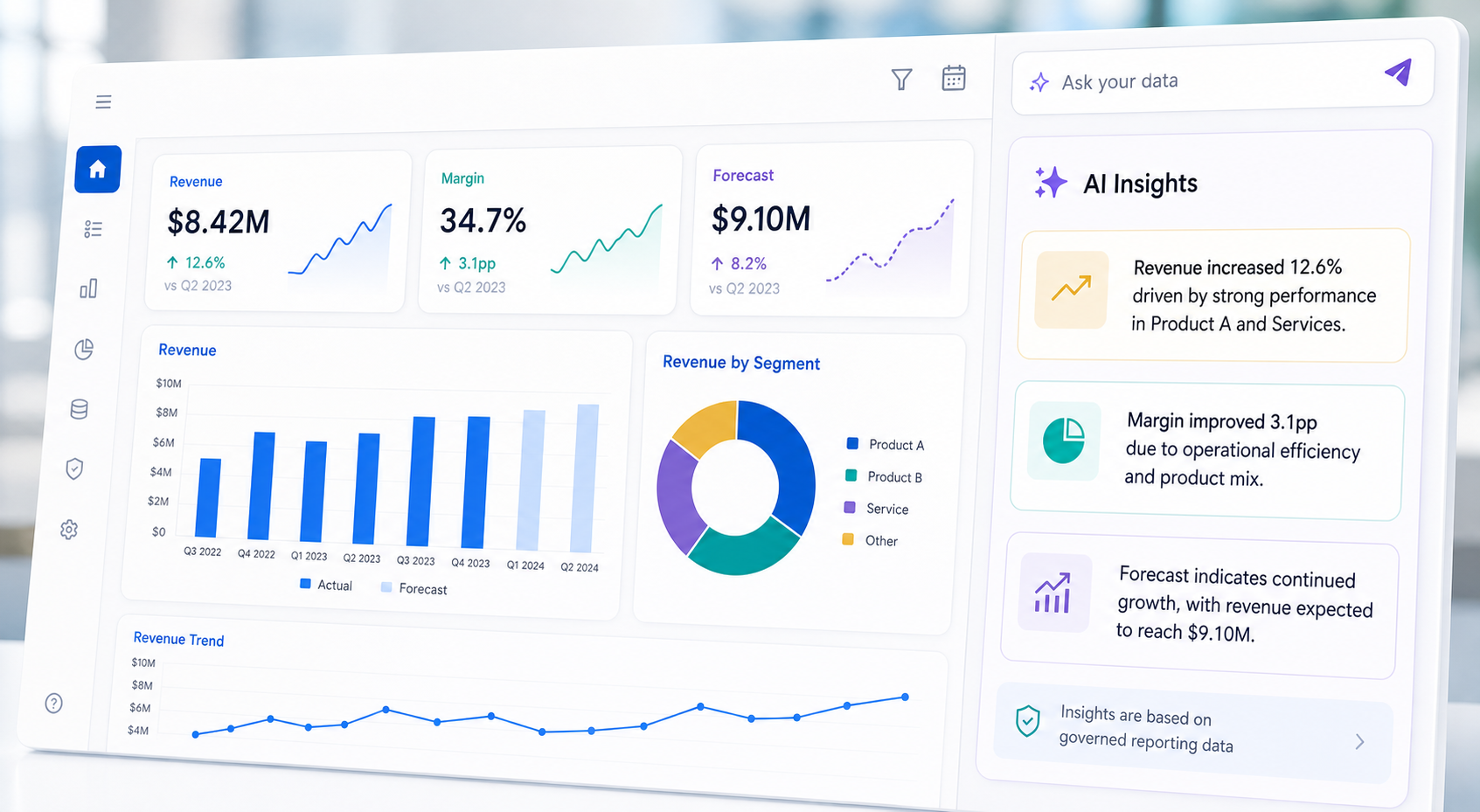
Our data experts help with Tableau Cloud consulting for teams that need better publishing, permissions, refresh schedules, subscriptions, and reporting access. We make Tableau Cloud easier to manage so dashboards are trusted and used by the right people.
Tableau Cloud
Permissions
Refreshes
Publishing
02
Tableau Server to Cloud Migration
Move from Tableau Server to Tableau Cloud with less risk.
We help organisations plan and deliver Tableau Server to Cloud migration. Our team reviews workbooks, users, data sources, schedules, permissions, and refreshes so the move to Tableau Cloud is controlled and practical.
Server migration
Cloud migration
Validation
Cutover
03
Tableau Next Consulting
Prepare for the next generation of Tableau and Salesforce analytics.
Our data experts help teams understand where Tableau Next, CRM Analytics, and Salesforce reporting can fit. We support planning, dashboard design, reporting use cases, and analytics workflows for teams already working in the Salesforce ecosystem.
Tableau Next
CRM Analytics
Salesforce
AI analytics
04
Legacy BI to Tableau Migration
Replace old reporting tools with modern Tableau dashboards.
We help migrate reports from legacy BI tools, spreadsheets, manual packs, and older dashboard systems into Tableau. Our team keeps the useful business logic while improving the design, usability, performance, and reporting structure.
Legacy BI
Excel reports
SSRS
Crystal Reports
Qlik
05
Tableau Dashboard and Report Development
Build Tableau dashboards and reports that people can use.
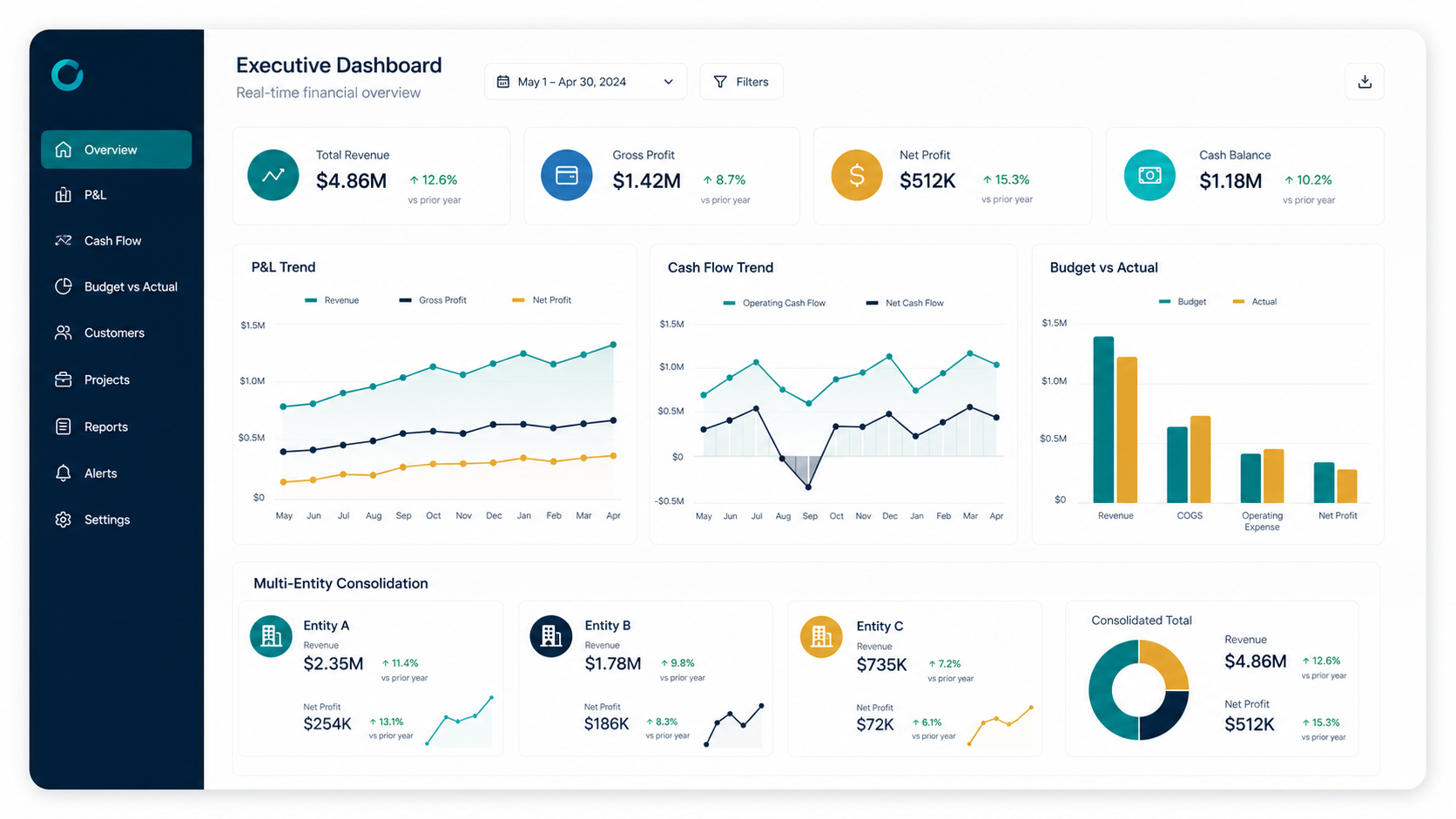
Our data experts provide Tableau dashboard development for executive reporting, finance, sales, operations, HR, and customer reporting. We design clear layouts, useful filters, trusted KPIs, and dashboard flows that help teams make better decisions.
Dashboards
Reports
KPIs
UX design
06
Tableau Managed Services
Keep Tableau dashboards supported after they go live.
We provide Tableau managed services for teams that need ongoing support, fixes, enhancements, refresh monitoring, user access updates, and dashboard improvements. This helps your reporting stay reliable as your business changes.
Managed support
Enhancements
Access
Monitoring
07
Data Visualisation Services
Turn complex data into clear visual stories.
Our data visualisation services help teams present performance, trends, risks, and opportunities in a way that is easy to understand. We use Tableau best practices for chart selection, colour, layout, navigation, and reporting design.
Data visualisation
Charts
Storytelling
Executive reporting
08
Tableau Consultant for Hire
Add an experienced Tableau consultant when your team needs capacity.
Hire a Tableau consultant for dashboard development, workbook fixes, Tableau Cloud support, reporting cleanup, performance tuning, or short-term project delivery. Our data experts can work with your team as flexible Tableau and analytics support.
Consultant for hire
Staff augmentation
Project support
Tableau expert